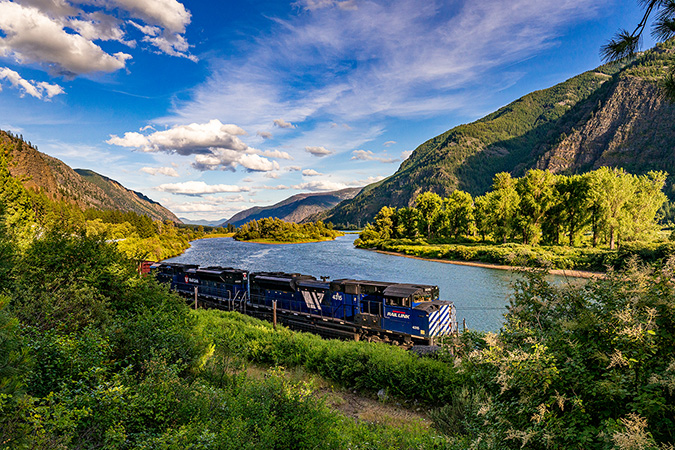
Missoula: Where tracks and history meet in unparalleled beauty
By SUSAN GREEN
Staff Writer
Native Americans first came here in search of bison. They were followed by the Lewis & Clark expedition, miners and railroad survey parties, all guided by five valleys that converge to form a natural thoroughfare.
They were drawn to this part of western Montana that still boasts unmatched scenic beauty and has been known as Missoula since the late 1800s. (The word came from the Salish tribe’s name for the Clark Fork River, nmesuletkw, which roughly translates as “place of frozen water.”)
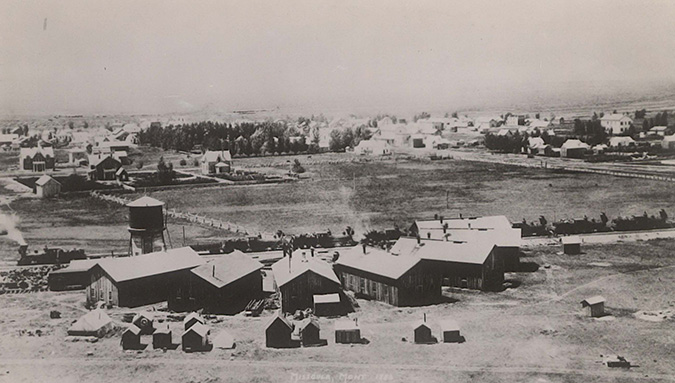
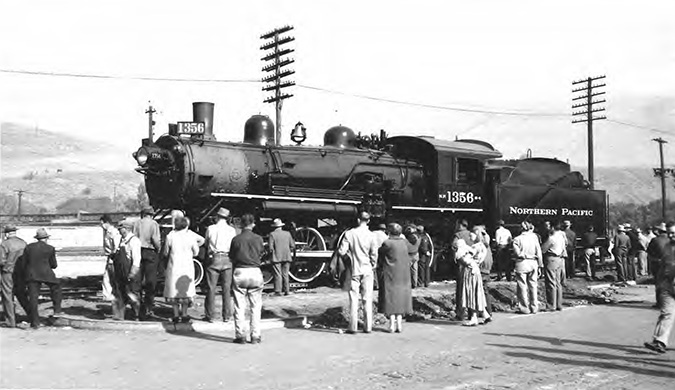
BNSF predecessor Northern Pacific Railroad (NP) tracks reached Missoula in 1883 as part of the line’s route to the Puget Sound. The frontier town transformed from a small trade and lumber center to a major hub for the state thanks to the arrival of trains, which still play a central role.
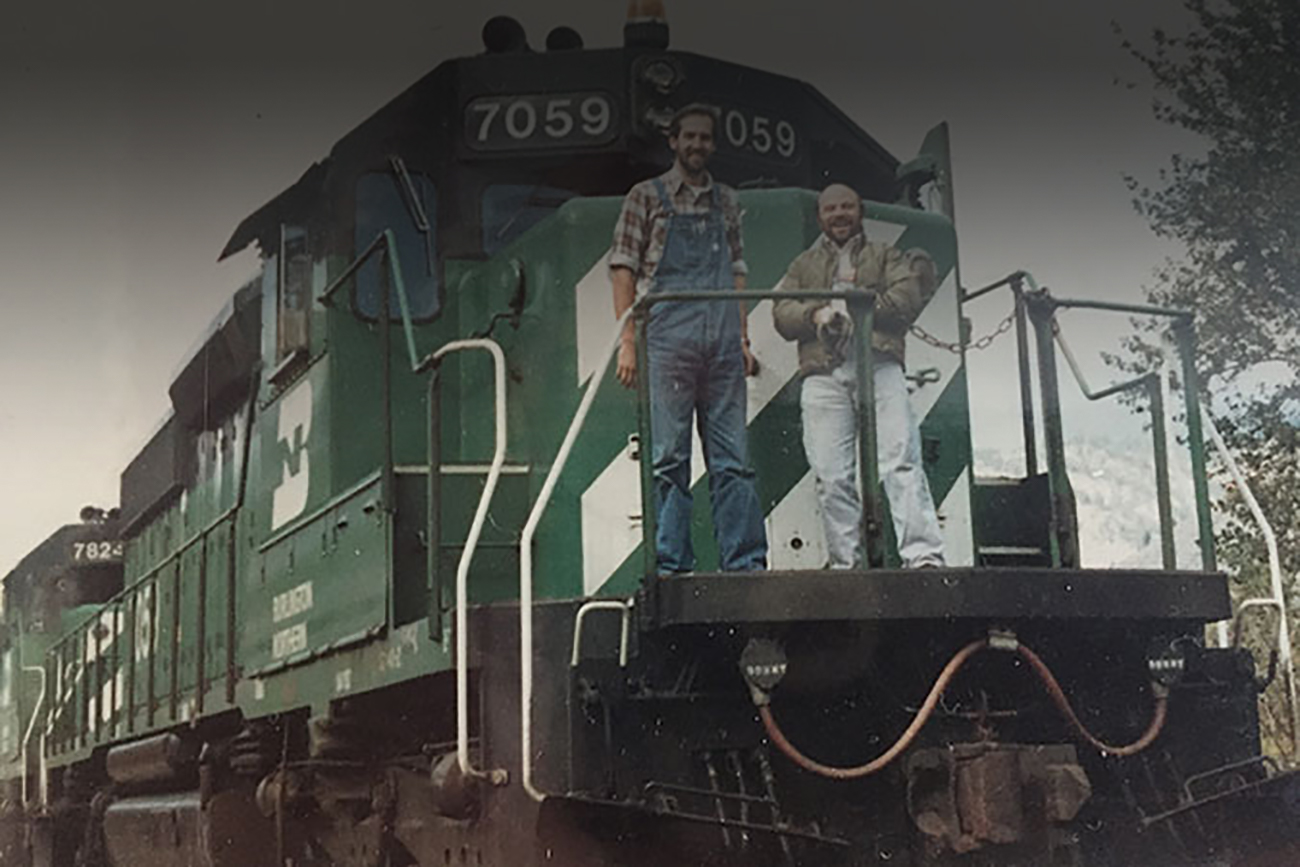
Since 1987, predecessor Burlington Northern Railroad (BN) and then BNSF operated in collaboration with Montana Rail Link (MRL) across the Big Sky state and portions of Idaho and Washington. During that time MRL leased the line. Starting Jan. 1, 2024, BNSF resumed operations on what became the MRL Subdivision of our Montana Division.
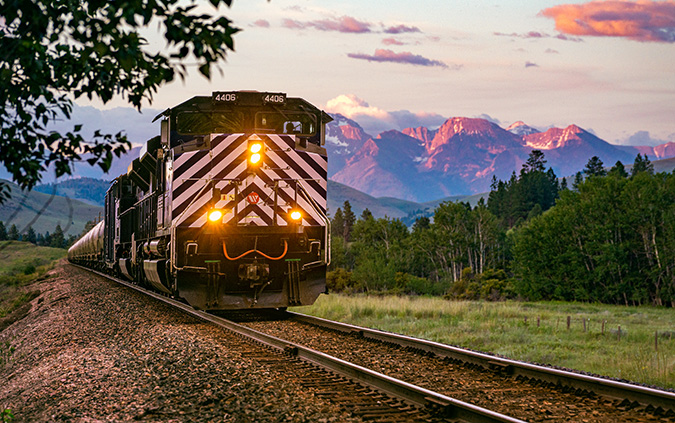
According to Mike Mattson, superintendent of operations at Missoula, a significant amount of coal, grain and oil moves through the terminal, along with lumber, automobiles and cement.
“We don’t have regularly assigned originating trains. We reduce cars destined for Missoula and the surrounding area off numerous merchandise trains, both eastbound and westbound,” he said. “Then we will fill those eastbound trains with cars destined for the eastern part of the state or destinations further down the line. The same process applies for westbound trains with cars destined for the PNW.”
A gas “local” runs from Missoula to Thompson Falls, Montana, twice daily and is typically 20-30 cars per train for a fuel pipeline.
The 300-plus employees based here live in a place of natural beauty, but the region comes with its challenges.
“Missoula is set in the valley in a way that it creates unique weather patterns and you often hear people talk about ‘the inversion’ when winter sets,” Mattson said. “It seems like Missoula goes weeks without ever seeing the sun as the clouds get stuck in the valley between the mountain ranges and they just sit.”
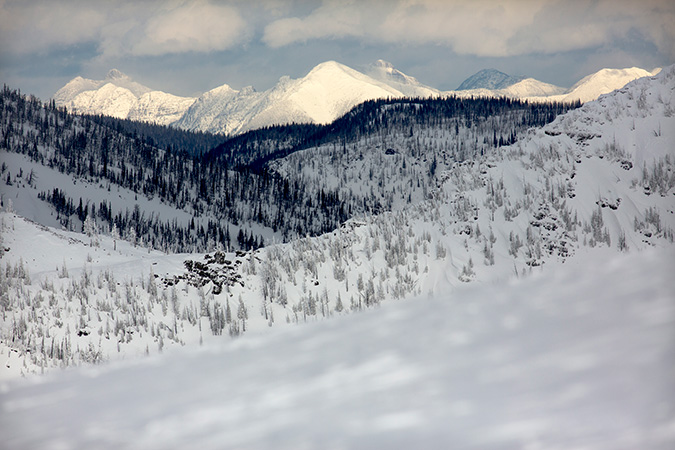
Operationally, winter’s cold temps and heavy snow can also affect trains. If temperatures drop low enough, train lengths are restricted, and additional locomotives must be placed in the consist. There are also restrictions for trains going through Missoula and over the mountain pass between Elliston and Helena, Montana.
Still, many people visit here during all four seasons to enjoy Missoula’s abundant outdoor recreation opportunities, like hiking, fishing and whitewater rafting. It’s also home to the University of Montana, founded in 1893.
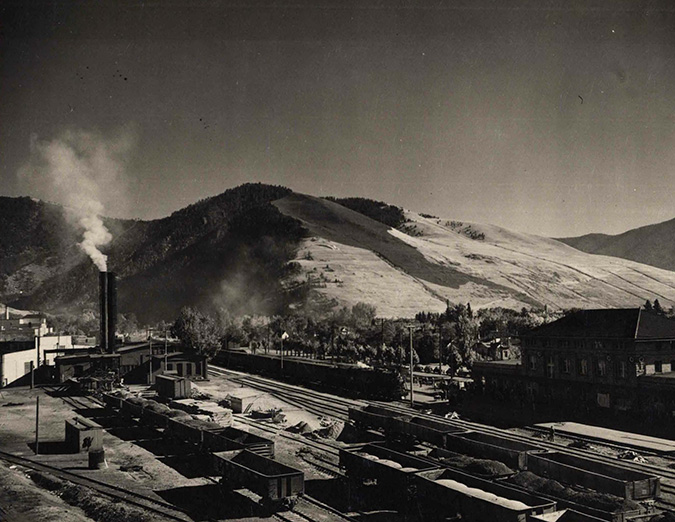
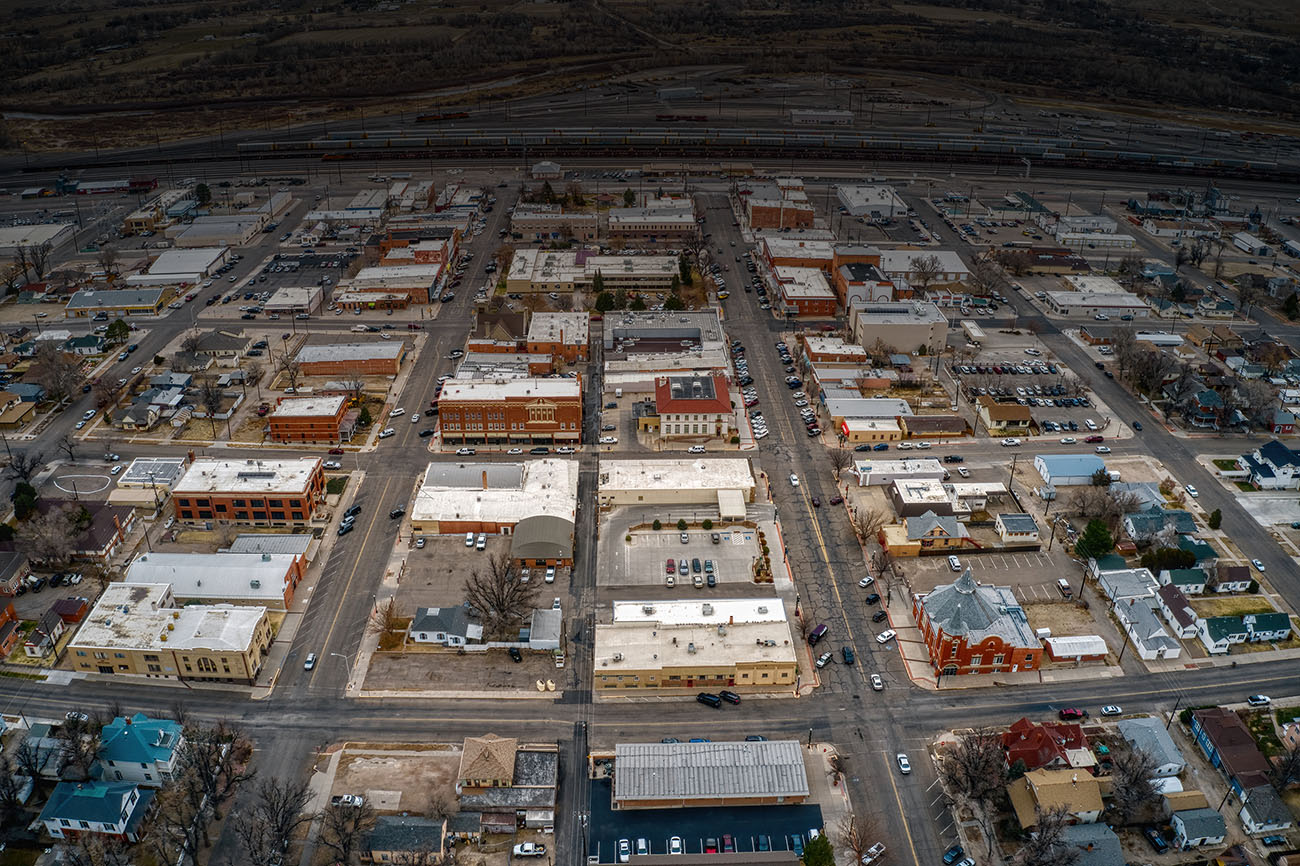
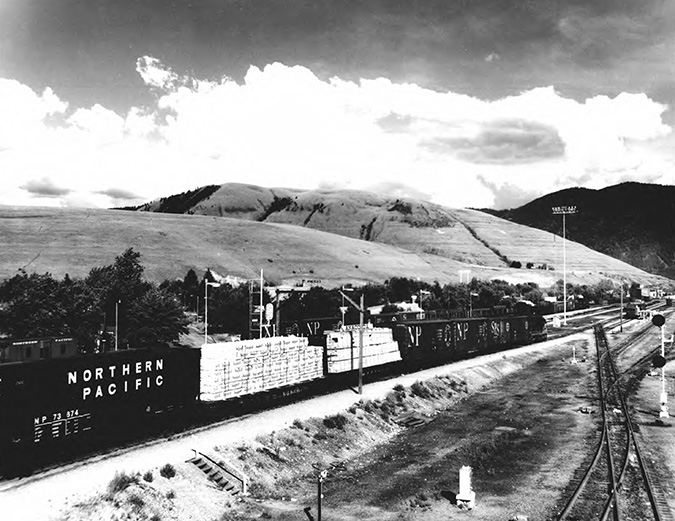
In 1901, NP built a Renaissance Revival style brick depot in what is now Missoula’s commercial district. The railroad no longer uses the depot, but it’s a centerpiece of the town. An NP freight house still exists and is used as office space. There’s also a mechanical shop for repairing freight cars and roundhouse to service locomotives.
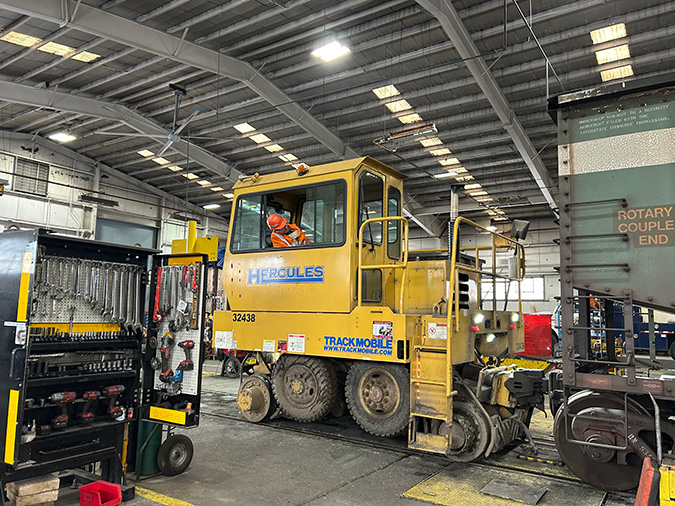
Despite being the second-largest city in Montana, Missoula maintains a relaxed, small-town vibe.
“The outdoor activities in the area around Missoula seem to be the big thing that draws and keeps people here,” said Jim Bieber, director engineering.
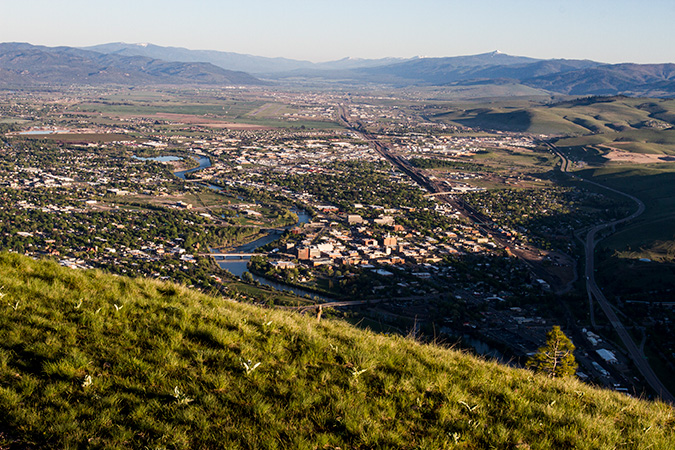
The people themselves are special, too. “Our employees are passionate about their jobs,” said Bieber. “The generosity that everyone has to their fellow employees and neighbors makes it a very special place to work and live.”